Hantavirus in the British Overseas Territories
When we think about dangerous viruses, we usually picture crowded cities or busy airports. But the Hantavirus is different. First discovered in the 1950s during the Korean War, the virus is carried by wild rodents like rats and mice. .
PITCAIRN ISLANDSST HELENANEWS FROM THE OVERSEAS TERRITORIES
When we think about dangerous viruses, we usually picture crowded cities or busy airports. But the Hantavirus is different. First discovered in the 1950s during the Korean War, the virus is carried by wild rodents like rats and mice.
The Hantavirus virus shows up in two different ways depending where you are in the world:
In Europe and Asia (Hemorrhagic Fever with Renal Syndrome): Causes intense fever and kidney failure
In the Americas (Hantavirus Pulmonary Syndrome): Causes severe respiratory failure, include coughing and shortness of breath
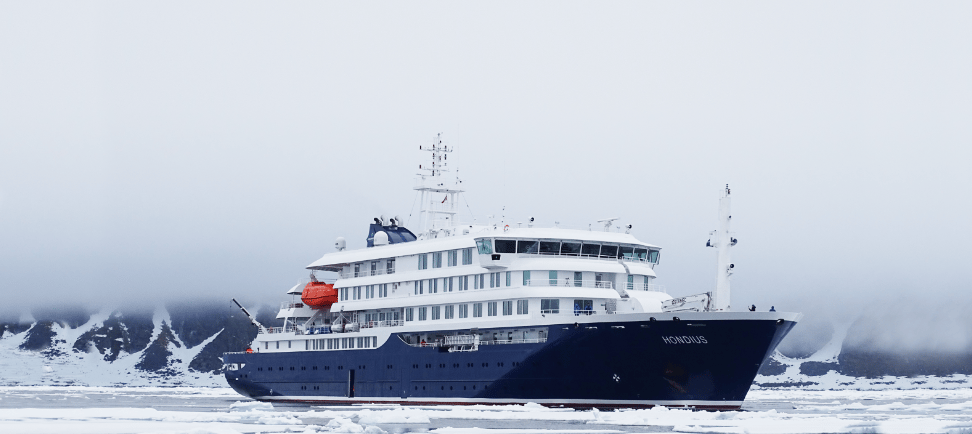
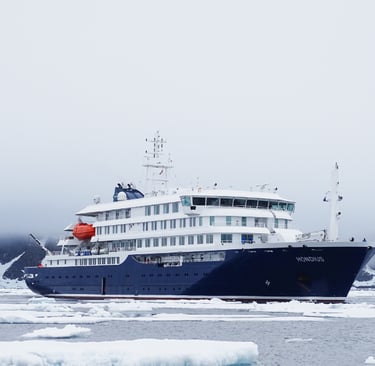
For a long time, people thought Hantavirus was only a problem for rural farmers. However, a major scare in May 2026 completely changed that view. A rare strain of the virus broke out on a South Atlantic cruise ship called HMS Hondius. This specific type, called the Andes strain, is unique because it can pass directly from person to person if two are in close contact for a long time.
When hearing ‘virus’, it is easy to feel alarmed but there is no reason to panic about Hantavirus. It is not easily infectious and does not spread easily through the air. Even the rare Andes virus strain requires prolonged intimate contact to pass between humans. This means that the risk to the general public is low.
Connection to British Overseas Territories
The Hantavirus has become relevant to two different British Overseas Territories in recent weeks.
St Helena
While dozens of passengers on the HMS Hondius left St Helena on 24 April, 2026, the local government confirmed zero cases on the island. Though a small group of high risk individuals are being pre-emptedly relocated to the UK for monitoring, they currently show no symptoms.
Pitcairn Islands
A woman from the Hondius travelled through Tahiti to Pitcairn Islands, arriving on 7 May. Because Pitcairn has a small population (around 50), the woman went into strict voluntary isolation. She shows no symptoms and because she is completely isolated, her risk to the community is low.
To manage potential cases, His Majesty’s Government is monitoring closely. Leading this critical public health response is Sharon Hodgson MP, the Parliamentary Under-Secretary of State for Public Health and Prevention. Under her guidance, the UK military have deployed specialised medical teams and diagnostic supplies to the islands. This coordinated effort ensures maximum safety while keeping these communities secure, highlighting the UK's commitment to protecting British Overseas Territories.
Friends of the British Overseas Territories, Registered Charity No 1156763
Friends of the British Overseas Territories is an independent and politically neutral charity. We do not support or endorse any political party or candidate. Only authorised spokespersons may make statements on behalf of the charity, via the charity’s official communications channels. All views otherwise expressed by members or officers should be considered their own.
A Charitable Incorporated Organisation, Registered in England and Wales Email: enquiries@fotbot.org
You can write to us at: Friends of the British Overseas Territories, Po Box 2635, Ilford, IG1 8UA
Promoting, Supporting and Increasing Awareness of the UK Overseas Territories