Sea Lion: The Oil Field Shaping the Future of the Falklands
In May 2010, UK-based oil and gas business, Rockhopper, struck oil in the North Falkland Basin using the semi-submersible drilling unit Ocean Guardian. The discovery of the oil field — located approximately 136 miles from the islands — reignited geopolitical tensions between Argentina and the United Kingdom over the sovereignty of the Islands.
NEWS FROM THE OVERSEAS TERRITORIESFALKLAND ISLANDSOPINION
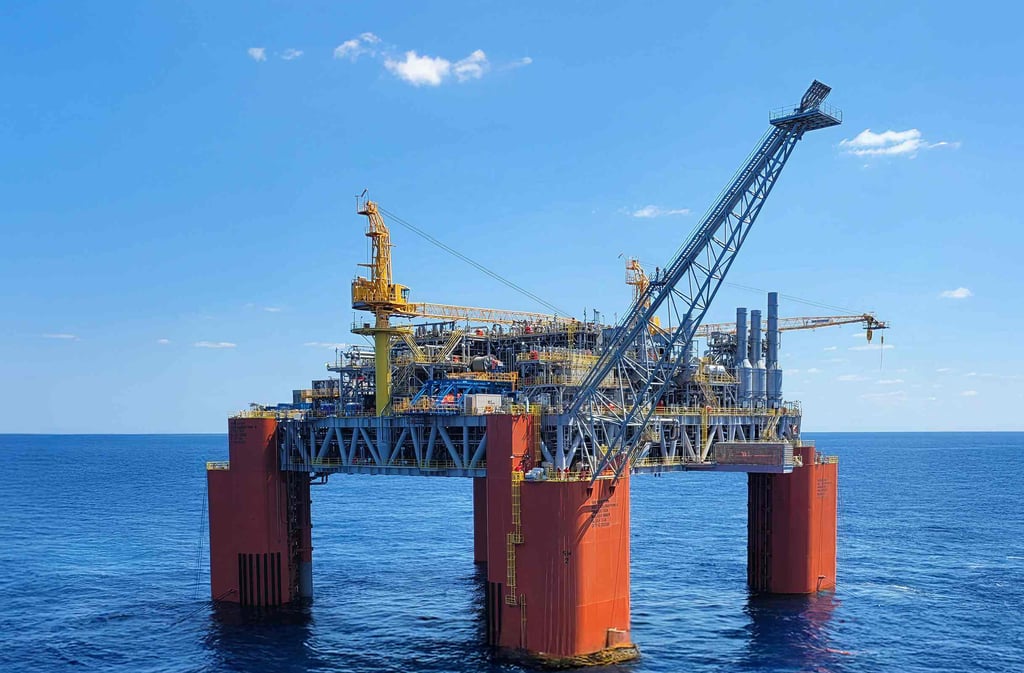
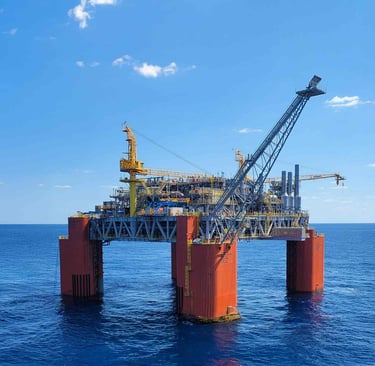
In May 2010, UK-based oil and gas business, Rockhopper, struck oil in the North Falkland Basin using the semi-submersible drilling unit Ocean Guardian. The discovery of the oil field — located approximately 136 miles from the islands — reignited geopolitical tensions between Argentina and the United Kingdom over the sovereignty of the Islands.
The then Argentine President, Cristina Fernandez de Kirchner had always taken a tough stance on the Falkland Islands and said that Argentina’s claim to the islands was ‘inalienable’ and subsequently began implementing measures to economically isolate the Falklands.
When the drilling rig arrived, Fernandez de Kirchner hardened her government’s stance on oil and gas exploration, called the British ‘robbers’ and following the discovery, even passed laws that would sentence any oil executives supporting exploration in the Falkland Islands to 15 years in prison. She frequently spoke of the British ‘extracting Argentine resources’.
The increasingly confrontational rhetoric reinforced the long-running sovereignty dispute and kept international attention focused on the Islands. This was one of the many elements that led islanders to hold a referendum in 2013 to put their constitutional status to bed, with 99.8% of Falklanders voting to retain their status as a British Overseas Territory.
The oil field known as Sea Lion, has been confirmed for development drilling to begin in 2027 ahead of first oil in 2028, financed by Rockhopper and Israeli firm Navitas Petroleum who rescued the stalled project by taking a 65% stake. The field is estimated to hold up to 500 million barrels of oil and could be worth $127 billion if the full potential of the basin is unlocked.
The involvement of an Israeli operator also presents Argentina’s current President, Javier Milei, with a diplomatic balancing act. While Milei has pursued warmer trade ties with the UK and positioned Israel as one of Argentina’s closest global allies, Argentine law mandates that his administration must officially reject and penalise the project.
In the Falklands, the development is set to transform the local workforce. While the islands already have incredibly low unemployment, the project will introduce high-paying technical careers, could encourage university graduates to return home, and mandate that international operators, where practical, utilise local businesses and suppliers.
Economically, the project has a projected revenue stream of £4 billion over the lifetime of the field. This equates to an estimated £80,000 per citizen, per year by the middle of the 2030s - a staggering amount for a territory with a population of only 3,600 people.
The Falkland Islands Government has also stated that when oil revenue begins to flow, they will contribute financially to their own defence costs, underpinning a deeper security partnership with mainland Britain and ensuring a sustainable British military presence in the South Atlantic.
Sixteen years after its first discovery, the Sea Lion project is set to become a defining moment in the economic future of the Falkland islands, even if it arouses further tensions with neighbouring Argentina.
Friends of the British Overseas Territories, Registered Charity No 1156763
Friends of the British Overseas Territories is an independent and politically neutral charity. We do not support or endorse any political party or candidate. Only authorised spokespersons may make statements on behalf of the charity, via the charity’s official communications channels. All views otherwise expressed by members or officers should be considered their own.
A Charitable Incorporated Organisation, Registered in England and Wales Email: enquiries@fotbot.org
You can write to us at: Friends of the British Overseas Territories, Po Box 2635, Ilford, IG1 8UA
Promoting, Supporting and Increasing Awareness of the UK Overseas Territories